Low Water Pressure at Home: Causes and Fixes
Weak shower and slow taps? Learn the causes of low water pressure and the fixes that actually work.

Why low water pressure happens
Low water pressure is one of the most common complaints among Malaysian homeowners. It ruins the shower experience, slows down the washing machine, and can stop a gas water heater from igniting properly. In a double-storey home, the problem is usually worse upstairs. Compare bundled options in our combo packages.
The good news is that most low-pressure problems have a clear cause and an effective fix. Let us identify them one by one. Find more answers in our FAQ section.
Cause 1: No booster pump
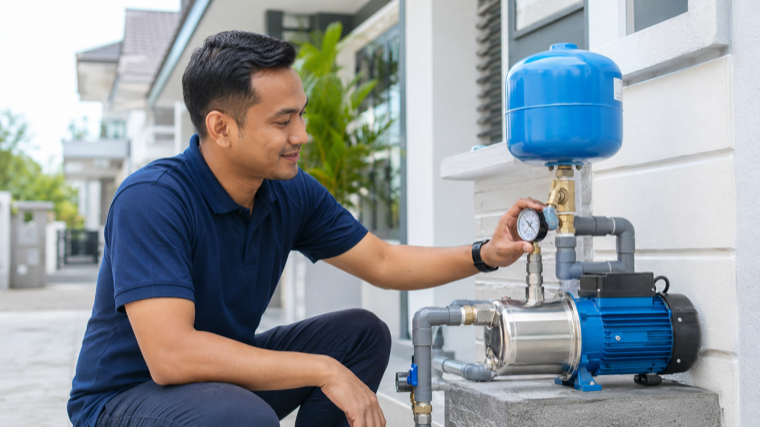
Many homes rely entirely on gravity pressure from a roof tank. For a single-storey home this may be enough — but for rain showers, upper floors, or several taps open at once, gravity alone is not enough. A booster pump such as Tsunami or Grundfos solves this instantly. We install across the Klang Valley — see water tank installation in Ipoh.
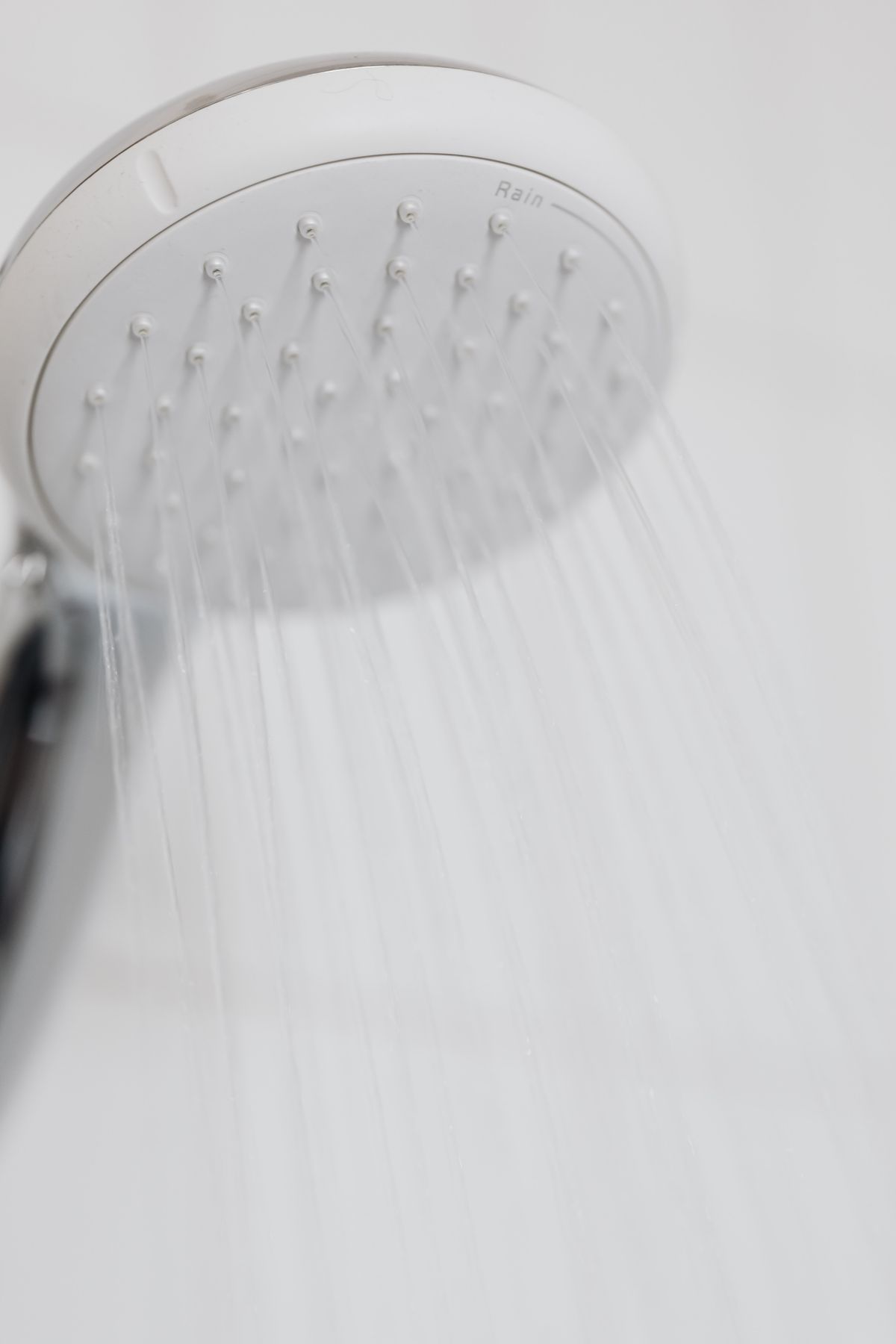
Cause 2: Clogged or rusty pipes
Sediment, rust and mineral scale build up in old pipes over the years, narrowing the water path. Flow that was once strong becomes weak. A 6-layer outdoor water filter reduces the sediment entering the system and slows this build-up. You may also find our guide on Signs You Need to Replace Your Water Pump useful.
Cause 3: Tank too small or too low
A small tank runs low at peak times such as the morning rush, causing pressure to drop sharply. A tank placed too low also reduces gravity pressure. Upgrading to a 1000L tank installed at the right height helps.
Cause 4: Partly closed valve or a leak
Sometimes the cause is simple — a main valve that is not fully open, or a hidden leak that bleeds off pressure before the water reaches your taps.
How to fix it by cause
- Install a booster pump with the correct HP
- Add a filter to remove sediment
- Upgrade tank size and position if needed
- Check valves and connections for leaks
Homeowners in Kuala Lumpur often combine a pump and filter for a complete fix that addresses several causes at once.
Weak water pressure at home?
Describe the issue over WhatsApp and we will recommend the right pump and HP with installation included.
How to test your water pressure
You can test pressure roughly by opening the shower tap fully and watching the flow, or by using an inexpensive pressure gauge attached to a tap. Compare pressure downstairs and upstairs — a big difference confirms the need for a booster pump.
Pressure problems a pump will not fix
A pump raises pressure, but if the problem is severely rusted pipes, a major leak, or a broken valve, the pump alone is not enough. In these cases the real cause must be repaired first. A proper diagnosis saves you money over buying the wrong solution.
When to call a professional
If pressure suddenly drops across the whole house, or you hear water running even when all taps are closed (a sign of a leak), call a professional. They can pinpoint the cause and advise whether a pump, filter, or pipe repair is needed.
Quick wins before buying a pump
Before investing in a pump, check the simple things first: make sure the main valve is fully open, clean shower heads that may be clogged with scale, and check the small filters on taps. Sometimes these simple fixes restore pressure at no major cost. If pressure is still weak, then a pump becomes the sensible solution.
Pressure needs by appliance
Different appliances need different pressure. Rain showers and instant water heaters need higher pressure than ordinary taps. If you plan to upgrade to a rain shower, make sure your pump can support it so you are not disappointed after installation.
How pressure affects daily life
Low water pressure is not just a minor inconvenience — it affects almost every daily routine. A shower becomes a frustrating experience when the water only trickles. The washing machine takes longer to fill, extending every wash cycle. A gas water heater may not ignite because the pressure is not enough to activate it.
In the kitchen, filling pots and washing dishes becomes slow and tedious. When several people at home use water at once — say one showering while another washes up — the problem gets worse. Solving low pressure with the right pump restores this comfort instantly, bringing back a strong shower, fast filling, and smooth appliance operation. For most families, this improvement in daily quality of life makes the investment in a pump well worth it.
Frequently Asked Questions
Can a pump fix all pressure problems?
A pump solves most cases. But if the cause is severely clogged pipes, the pipes should be checked too.
What HP pump for a double-storey home?
Usually 0.75HP is enough for a double-storey terrace house.
Does a pump raise the electricity bill a lot?
Modern pumps are energy-efficient and only run when water is used, so the impact is small.
Conclusion
Most low-pressure problems are solved with the right pump, sometimes combined with a filter. See our pumps and tanks on the products page.