How Often Should You Clean Your Water Tank?
The recommended water tank cleaning schedule and the signs your tank needs washing right away.

Why tank cleaning matters
A water tank that is never cleaned regularly collects sediment, sludge, algae and bacteria at the bottom. All this debris mixes with the water you drink, bathe in and cook with every day. Over time it can lead to health problems and an unpleasant smell. Compare bundled options in our combo packages.
Regular cleaning is the easiest and cheapest way to keep your home water safe all year round. Find more answers in our FAQ section.
How often to clean it
The general recommendation is to clean your water tank every 6 to 12 months. Homes in dusty areas, near construction sites, or that often get cloudy water after supply disruptions should clean more frequently — perhaps every 4-6 months. We install across the Klang Valley — see water tank installation in Kuala Lumpur.
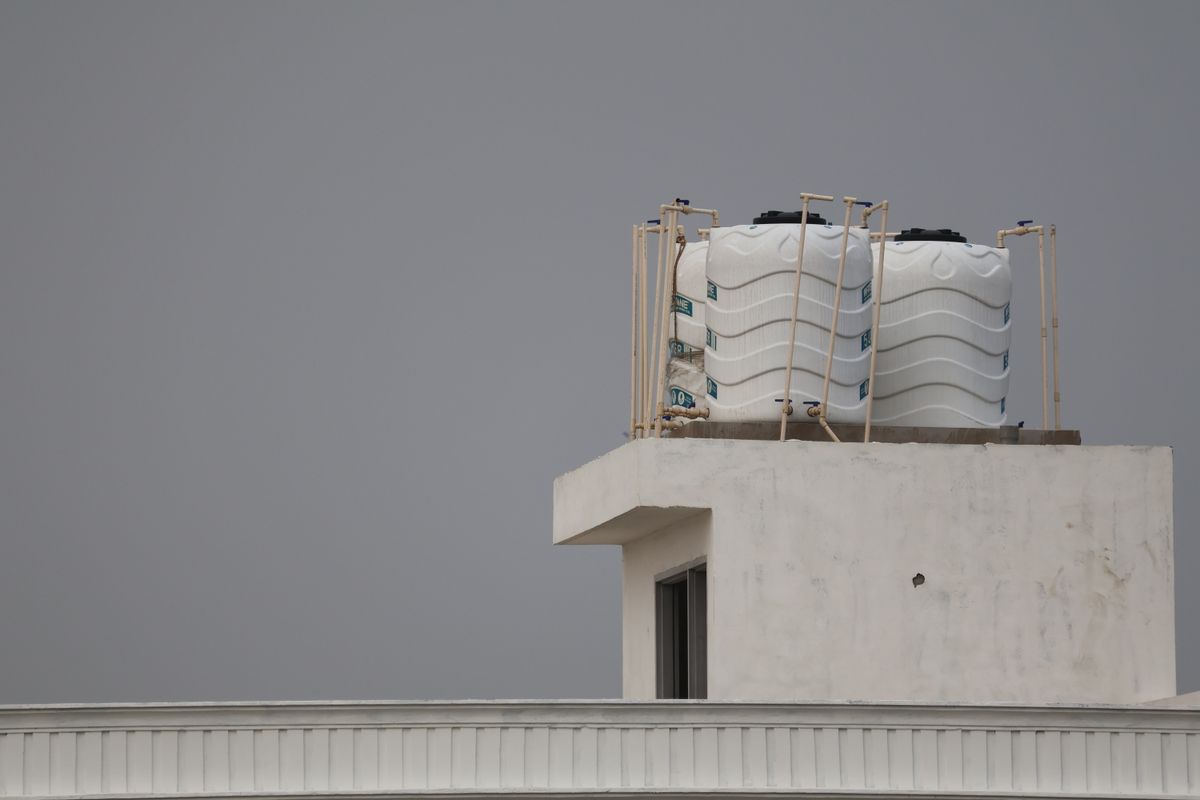
Signs your tank needs cleaning now
- Water comes out cloudy or yellowish
- Strange or musty smell from the tap water
- Sediment, grit or flakes in the water
- It has been over a year since the last clean
- Family members start getting itchy skin after showering
Basic cleaning steps
The basic process involves emptying the tank completely, removing the sediment and sludge at the bottom, scrubbing the inner walls to lift off any algae layer, rinsing with clean water, and refilling. For roof or hard-to-reach tanks, it is safer to use a professional service with the right equipment and experience. You may also find our guide on Signs You Need to Replace Your Water Pump useful.
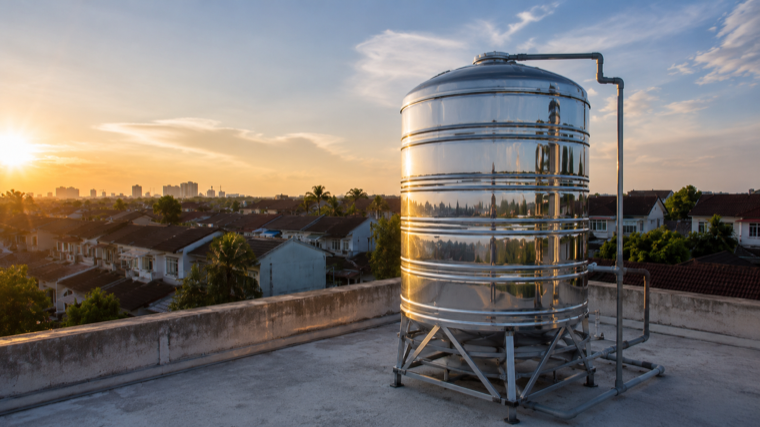
Why stainless steel is easier to maintain
The inner surface of stainless steel is smooth and non-porous, so algae, sediment and bacteria stick less than on the rough surface of plastic tanks. That means faster cleaning, less frequent cleaning, and cleaner water between sessions.
Homeowners in Shah Alam often upgrade to stainless steel specifically for easier long-term maintenance.
Tips to keep the tank clean longer
Keep the tank lid tightly closed to stop dust, leaves and insects. Fit an outdoor water filter to reduce incoming sediment. Inspect the tank visually every few months.
Want a low-maintenance tank?
Ask us about the King Kong stainless steel tank over WhatsApp — easy to clean and long lasting.
What professional cleaning includes
When you book a professional tank cleaning service, you get more than a simple rinse. The process usually begins with emptying the tank completely and removing all the old water. Then the sediment, sludge and any algae layer on the walls and bottom are cleaned off with brushes and specialised equipment.
After scrubbing, the tank is rinsed several times with clean water to remove all the loosened debris. Some services also disinfect the tank to kill any remaining bacteria. Finally, the tank is inspected for signs of rust, cracks or damage that may need attention. A thorough cleaning like this gives you the confidence that the water flowing into your home is clean and safe. If your tank has not been cleaned in over a year, a first professional cleaning is the best way to start a proper care routine.
DIY vs professional cleaning
Cleaning an easily reachable ground tank can be done yourself with a brush, bucket and clean water. But for a roof tank, a tight space, or a tank not cleaned for years, a professional service is safer and more thorough. They have the equipment to clean and disinfect it properly.
Signs of a serious tank problem
If you find rust penetrating the tank wall, cracks, or a persistent bad smell even after cleaning, the tank may be at the end of its life. In these cases, replacing the tank is better than cleaning it again and again.
A seasonal cleaning schedule
Many homeowners make tank cleaning a twice-a-year routine — once before the rainy season and once after. This ensures the sediment that builds up during heavy rain and supply disruptions is removed regularly.
Health reasons behind regular cleaning
Water sitting at the bottom of a dirty tank can become a breeding ground for bacteria and even mosquito larvae. For households with babies, the elderly, or family members with weak immune systems, clean water is not optional but essential. Regular cleaning greatly reduces this risk.
A simple maintenance checklist
Keep a simple routine: check the tank lid monthly, monitor the clarity of water from the tap, backwash the filter on schedule, and book a thorough tank cleaning every 6-12 months. This small routine keeps your whole home water system in good shape.
Frequently Asked Questions
Can I clean the tank myself?
For an easily reachable ground tank, yes. For a roof tank, use a professional for safety.
How long does cleaning take?
Usually 1-2 hours depending on the size and condition of the tank.
Do I need chemicals to clean it?
A thorough rinse is usually enough. Food-grade cleaning agents can be used if needed.
Conclusion
Clean your tank every 6-12 months for safe water. For the easiest maintenance, choose stainless steel — see our options on the products page.